

Fresh pasta sits at the heart of Italian cuisine because it turns three simple ingredients flour, egg and time into something no factory process can copy: a soft, porous texture built to carry sauce, made using techniques passed down through generations rather than mass production.
That’s exactly why authentic Italian pasta still tastes different from anything shelf-stable, and why it remains the dish most associated with Italian cooking at its best. It’s also why people order tagliatelle, gnocchi or casarecce by name at a good Italian restaurant, rather than just asking for “pasta.”
Long before it became Italy’s most exported dish, pasta was a family skill taught by hand, shaped by region, with no recipe card in sight.
Why Fresh Pasta Is a Family Tradition in Italy
Pasta became central to Italian family life because it was one of the few dishes everyone in the household could make together: grandparents, parents and children, using nothing more than a table, flour and eggs. It didn’t need a special occasion. It needed time, and Sunday usually provided that.
This is also why pasta varies so much from region to region. Calabria’s bold, chilli-driven sauces look nothing like the delicate butter-and-sage dishes of the north, yet both are unmistakably homemade pasta at heart.
The shape, the sauce, and even the flour used often say more about where a family comes from than any menu description could; a plate of pasta was, and still is, a kind of shorthand for identity.
That same spirit carries into fresh pasta restaurants Perth that take fresh pasta Perth seriously today. Dishes like Casarecce Calabrese (short, twisted pasta in a slow-cooked Calabrian-style sauce) draw directly on that regional technique, a nod to tradition rather than a trend.
What Actually Sets Authentic Fresh Pasta Apart
Fresh pasta is set apart by texture and timing: it’s mixed, rolled and cooked the same day rather than dried and stored for months, which is exactly what gives it that soft, sauce-absorbing bite dried pasta can’t fully match.
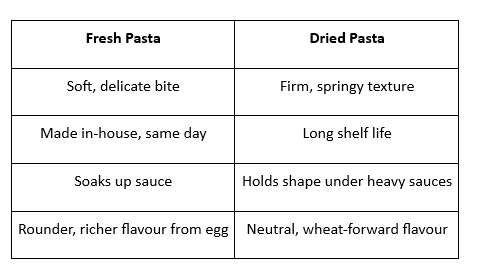
Neither is “better” on its own; a rich lamb ragù (slow-cooked meat sauce) wants something that grabs onto it, while a light, oil-based sauce works just as well with dried spaghetti. What fresh pasta brings is that unmistakable texture: silky rather than chewy, and porous enough to carry every bit of sauce it’s tossed in.
It’s also why traditional Italian pasta rarely sits around. It’s usually made and cooked within hours, not weeks, exactly how it works in a proper Italian kitchen, where the dough made that morning is often on a plate by evening service.
The Ingredients Behind Authentic Italian Pasta
The quality of Italian pasta comes down to a handful of ingredients, each doing a specific job rather than simply bulking out the dish. 00 flour gives dough its silkiness, fresh eggs bring richness and colour, and good semolina keeps shapes like casarecce or fusilli holding their form under sauce.
From there, it comes down to what’s built on top:
- Slow-cooked tomato sauces simmered for hours, not minutes.
- Cured Italian meats like ‘nduja (a spicy, spreadable pork salami) and pork belly for depth.
- Fresh seafood and herbs for lighter, coastal-style dishes.
- Parmigiano Reggiano or pecorino to finish.
None of this is complicated. It’s just done properly, which, more than any single ingredient, is the real difference between fresh pasta dishes and anything pulled from a packet.
The Right Shape for the Right Sauce
Every pasta shape exists to pair with a specific type of sauce, which is why traditional Italian kitchens treat shape as functional rather than decorative.
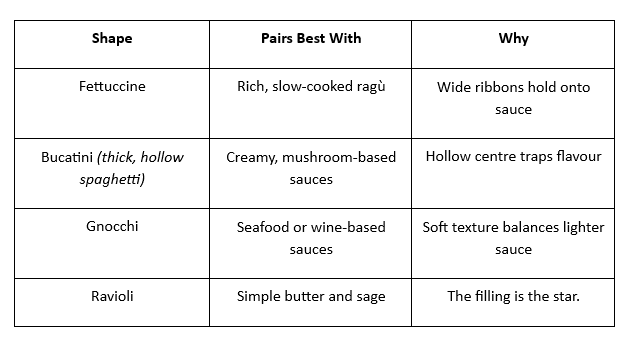
This is why a menu built around tradition offers real variety, rather than one sauce ladled over five different shapes.
Dishes such as Fettuccine al Ragù d’Agnello (slow-cooked lamb) and Gnocchi Gamberi & Zucchine (prawns and zucchini) follow exactly this logic; the shape is chosen to match the sauce, not the other way around.
Chef at Compà Mt Hawthorn: “Fresh pasta is never just about the dough. The shape determines how every sauce behaves.”
Why Authentic Italian Restaurants Make Fresh Pasta Daily
Traditional Italian restaurants continue to make fresh pasta every day because the extra time and skill result in a better dining experience. It’s not about riding a trend or slapping “homemade” on the menu.
Fresh pasta is part of the Italian culinary tradition because it provides the texture, flavour and dining experience that many classic recipes were originally developed around.
Fresh Pasta Reflects the Chef’s Craft
Fresh pasta is not just another ingredient; it’s a sign of the kitchen’s attention to detail. From mixing the dough to rolling it, cutting it and cooking it at just the right moment, every step impacts the final dish.
That’s why so many authentic Italian restaurants continue to make pasta in-house rather than depending entirely on pre-packaged products.
At Compà Mt Hawthorn, this means that every pasta dish delivers the texture and flavour it was designed for, offering diners an experience much closer to what you’d expect in Italy.
Why Diners Can Taste the Difference
A lot of people notice the difference from the very first bite.
- Offers a softer texture for a more delicate bite.
- Absorbs sauce more evenly, adding flavour to every mouthful.
- Made with quality ingredients and traditional cooking methods.
- Creates a more authentic Italian dining experience.
That’s why restaurants that make fresh pasta daily continue to stand out. If you’re new to homemade pasta or revisiting a tried and true favourite, Compà Mt Hawthorn is keeping the tradition alive with fresh pasta made with care and paired with ingredients that let each recipe shine.
Enjoy Fresh Pasta at Compà Mt Hawthorn
At Compà Mt Hawthorn, this tradition shows up as pasta made fresh in-house daily, with regional dishes cooked the way they’re meant to be rather than a simplified Italian-Australian version. Think Bucatini Calabria with porcini mushrooms and salsiccia (Italian pork sausage), Fettuccine al Granchio with crab in a white wine sauce, or Fusilli Siciliana with fried eggplant and salted ricotta.
There’s also room to make the night your own. Browse the full pasta and pinsa menu before you arrive, or go all in with a shared set menu if you’re dining as a group. Prefer a pasta night at home? Order takeaway online instead.
FAQs
Is fresh pasta healthier than dried pasta?
Not necessarily. Both can be part of a healthy diet, but fresh pasta is valued more for its softer texture, richer flavour and authentic taste than for being healthier.
What’s the difference between pasta and pinsa on the menu?
Pasta is the main dish, while pinsa is a Roman-style flatbread that’s similar to pizza but lighter, airier and easier to digest thanks to its long fermentation process.
Can I get gluten-free pasta at Compà Mt Hawthorn?
Yes. Gluten-free casarecce, tagliatelle and gnocchi are available for a small additional cost. Simply let the staff know when ordering, and they’ll also recommend sauces that suit your dietary requirements.
Which pasta dish should I try first?
If you enjoy bold southern Italian flavours, Casarecce Calabrese is an excellent place to start. If you prefer something lighter with seafood, Gnocchi Gamberi & Zucchine is a great choice.
Do I need to book ahead for pasta night?
Weekends are often busy, so booking in advance is recommended, especially for groups planning to enjoy the shared set menu or the private dining room.